

Transmission Towers: Why Precision in Steel Fabrication Matters
Transmission Tower
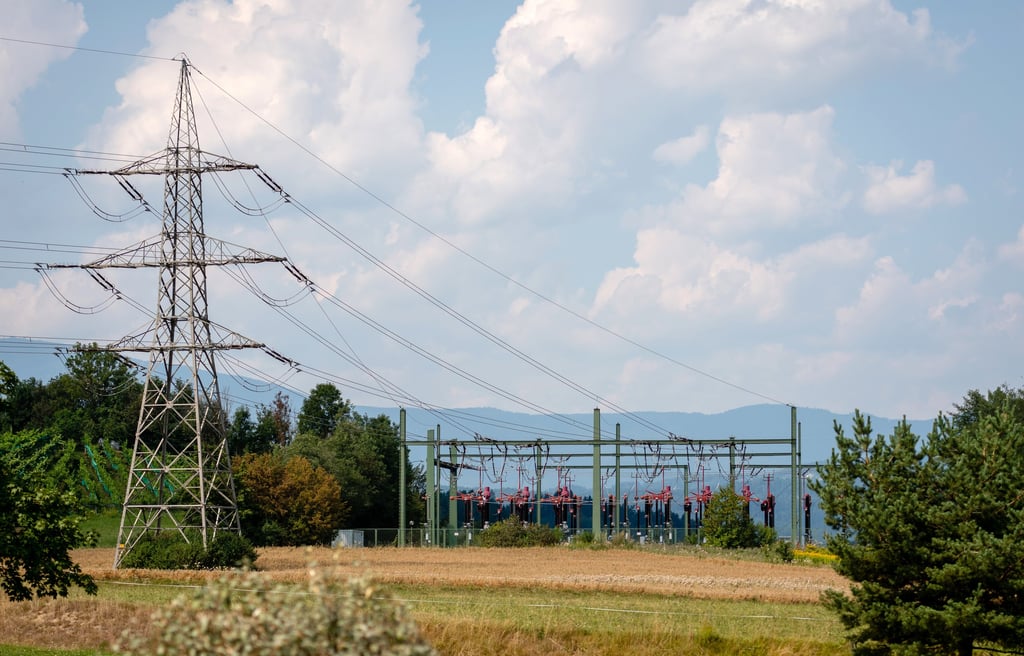
Transmission towers are an essential part of the electrical power transmission network. These structures support conductors at specific heights, allowing power lines to span long distances according to the design requirements. Behind their open-frame appearance are numerous steel components that must be manufactured with accurate dimensions and connections.
Unlike conventional poles, transmission towers generally consist of multiple steel members connected to form a lattice structure. Each component has a specific position and function, making fabrication accuracy an important factor in the manufacturing process.
Read Also: Why Is Steel a Preferred Material for Modern Bridges?
Every Component Has Its Own Dimensions
Transmission towers can consist of steel angle sections, connection plates, bolts, and various supporting components. The dimensions of each part are determined by the engineering drawings and project specifications.
During fabrication, the steel members are cut and provided with holes according to the assembly requirements. Bolt hole positions, member lengths, and dimensional accuracy must be carefully controlled to ensure that each component fits into its designated position.
Even a small dimensional error in one component can complicate assembly, particularly when numerous individual parts must be connected to form a complete tower structure.
Structural Strength Depends on Design and Connections
The lattice configuration of a transmission tower is designed to transfer loads through its interconnected members and connections. Therefore, structural quality depends not only on the steel material but also on design accuracy, component dimensions, and the connection systems used.
Wind loads, conductor weight, and operating conditions are among the technical factors considered during tower design. The fabrication process must follow the approved specifications to ensure that the manufactured components meet the structural requirements.
Quality Inspection Before Assembly
Before being delivered to the project site, tower components undergo inspections according to the applicable requirements. These inspections may cover dimensions, hole positions, material condition, finishing quality, and corrosion protection.
Ultimately, a transmission tower is more than just a tall steel framework. Precision in the fabrication of each component is a key factor in producing a structure that complies with the engineering design and meets the requirements of the transmission network.
Head Office
Jakarta Industrial Estate Pulogadung (JIEP)
Jl. Rawa Gelam 3, Blok. M No. 6, Jatinegara, Cakung, East Jakarta - 13930
Telp : +6221 – 460 1088
Fax : +6221 – 4682 3636
Email : info@dutahitajaya.co.id
© 2026. All rights reserved.
Fabrication Plants
Plant Tambun
Jl. Kampung Bulu No.29, Setiamekar, Tambun Selatan, Kab. Bekasi
West Java - 17510
Plant Setu
Jl. Raya Setu No. 09, Telajung, Cikarang Barat, Kab. Bekasi
Plant Cileungsi
Jl. Raya Narogong KM 24.5, Klapanunggal, Cileungsi, Kab. Bogor
West Java - 16820
Plant Cikarang
Jababeka II Industrial Plant, Jl. Industri selatan VIII, Block EE-7H, Pasirsari, Cikarang Selatan, Kab. Bekasi
West Java - 17534
Galvanize Plant
Our Instagram
West Java - 17530