

Transformation of Substations Toward Digital and Automated Systems
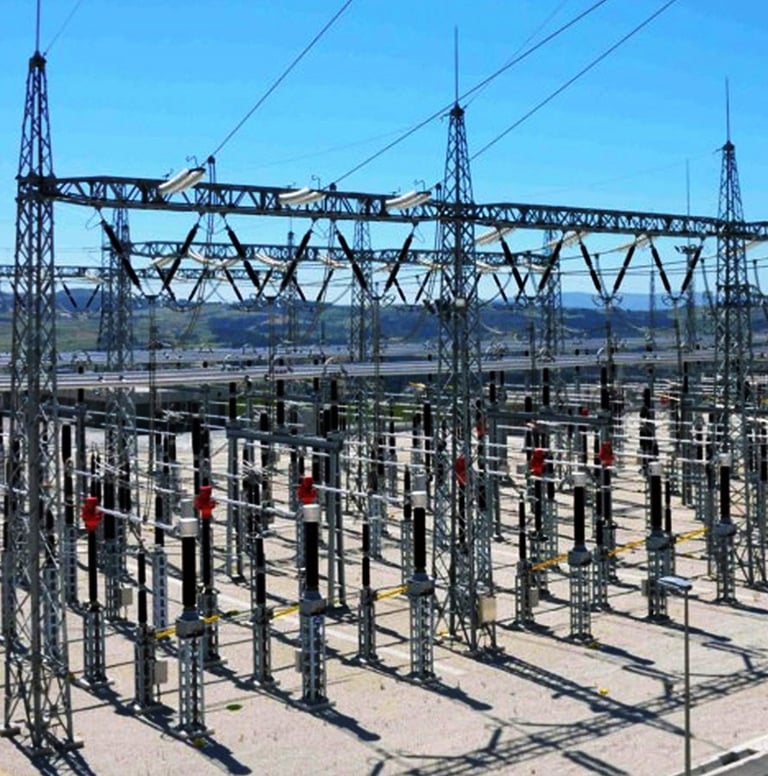
Substation
A Substation (GI) is an important facility that regulates, distributes, and protects the flow of electricity before it reaches homes and buildings. Today, many substations are transitioning from manual systems to more digital and automated systems to make electricity more stable and secure.
What Is a Digital Substation?
A digital substation is a GI that uses sensors, computers, and modern communication systems to monitor and control equipment automatically. Many processes that were previously done manually can now run on their own.
Why Go Digital?
This transformation is carried out because:
• Electricity becomes more stable and disturbances are detected quickly
• Increased safety for personnel
• More efficient, with real-time data visibility
• Ready to support the growing use of renewable energy
Key Changes in Digital Substations
Smart Sensors
Sensors automatically monitor temperature, current, and equipment conditions.Modern SCADA System
Operators can view the electrical status in real time and control equipment remotely.Control Cables Replaced by Digital Communication
Communication uses fiber optics, which are faster and more secure.Automatic Switching
Power lines can switch automatically if a disturbance occurs.Data Analysis & AI
The system can predict failures and maintenance needs.
Benefits for the Public
• More stable electricity and fewer outages
• Faster disturbance handling
• Better power quality
• Supports environmentally friendly energy
Conclusion
The transformation of substations into digital and automated systems makes the electrical network more modern, faster, and safer. With new technology, substations can maintain a stable power supply even as energy demands continue to rise.