


The Role of Steel Oil Tanks in Maintaining Fuel Distribution Stability
Oil Tank
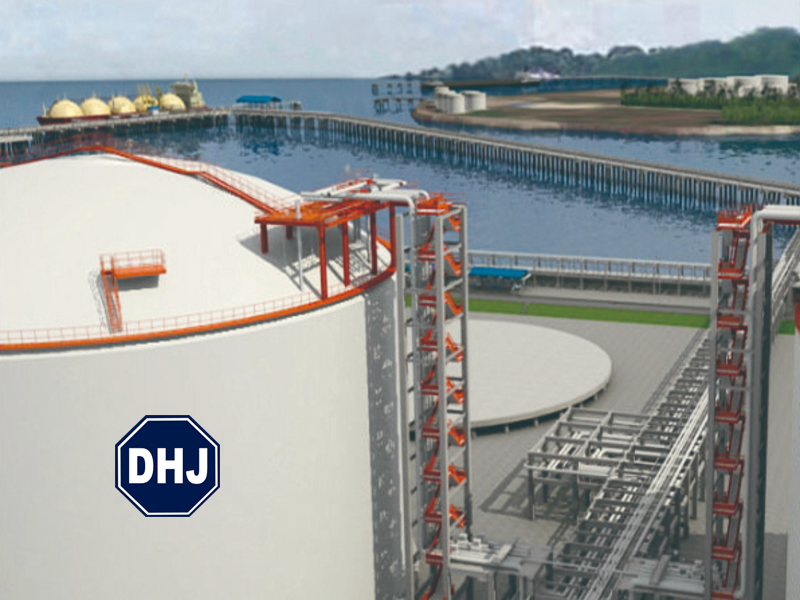
In the energy and oil & gas industry, smooth fuel distribution is a critical factor that determines the continuity of operations across various sectors, including transportation, manufacturing, mining, and power generation. One of the key components that plays a major role in maintaining a stable fuel supply is the steel oil tank.
As a storage facility designed to hold large quantities of fuel, steel oil tanks serve as a vital link between production, storage, and distribution processes. Without a reliable storage system, fuel supply chains may experience disruptions that can impact industrial activities as well as public energy needs.
What Is a Steel Oil Tank?
A steel oil tank is a storage tank made from high-quality steel materials and is used to store various types of petroleum products, including:
Diesel Fuel
Gasoline
Crude Oil
Aviation Turbine Fuel (Avtur / Jet Fuel)
Lubricant Oil
Industrial Fuel
Steel is selected as the primary material because it offers high structural strength, excellent resistance to pressure, and a long service life, making it suitable for industrial environments that require high safety standards.
The Role of Steel Oil Tanks in Fuel Distribution Systems
1. Maintaining Fuel Stock Availability
One of the main functions of a steel oil tank is to store large fuel reserves before they are distributed to end users.
With adequate storage capacity, companies can:
Ensure fuel availability remains stable during periods of high demand.
Prevent stock shortages caused by delivery delays.
Maintain continuous industrial operations.
The reserves stored inside steel oil tanks act as buffer stock, helping stabilize the energy supply chain.
2. Supporting More Efficient Distribution
Steel oil tanks allow fuel to be collected and stored at strategic locations before being distributed to various regions.
The benefits include:
Reducing the frequency of direct deliveries from production facilities.
Accelerating the fuel distribution process to consumers.
Lowering logistics costs.
Improving inventory management efficiency.
With an effective storage system, companies can optimize distribution schedules and improve overall supply chain performance.
Related Article: Advantages and Disadvantages of Coal-Fired Power Plants as an Electricity Generation Source
3. Managing Market Demand Fluctuations
Fuel demand often changes due to economic conditions, seasonal factors, and specific industrial requirements.
Steel oil tanks help companies to:
Store fuel reserves when demand is lower.
Supply stored fuel when demand increases.
Maintain supply stability during peak consumption periods.
This capability is essential to prevent fuel shortages and ensure consistent availability in the market.
4. Ensuring Safe Fuel Storage
Fuel is a highly flammable product that requires safe storage facilities designed according to industry standards.
Steel oil tanks are equipped with various safety features, such as:
High-strength steel construction.
Controlled ventilation systems.
Leakage protection systems.
Anti-corrosion coatings.
Level and pressure monitoring systems.
Proper storage safety helps minimize accident risks and reduce potential operational losses.
5. Supporting Fuel Distribution to Remote Areas
In many cases, oil production locations are not close to consumption areas.
Steel oil tanks function as intermediate storage terminals that allow fuel to be distributed gradually to various regions, including areas with limited logistical access.
Through this system, energy availability can be maintained more evenly across different locations.
Conclusion
Steel oil tanks play a crucial role in maintaining fuel distribution stability. In addition to serving as fuel reserve storage facilities, steel oil tanks improve distribution efficiency, help manage demand fluctuations, and ensure long-term fuel storage safety.
With their strength, durability, and flexible design capabilities, steel oil tanks have become one of the key elements supporting the continuity of the national energy supply chain.
Therefore, investing in high-quality storage systems along with proper maintenance is a strategic step to ensure reliable fuel distribution across various industrial sectors.
Head Office
Jakarta Industrial Estate Pulogadung (JIEP)
Jl. Rawa Gelam 3, Blok. M No. 6, Jatinegara, Cakung, East Jakarta - 13930
Telp : +6221 – 460 1088
Fax : +6221 – 4682 3636
Email : info@dutahitajaya.co.id
© 2026. All rights reserved.
Fabrication Plants
Plant Tambun
Jl. Kampung Bulu No.29, Setiamekar, Tambun Selatan, Kab. Bekasi
West Java - 17510
Plant Setu
Jl. Raya Setu No. 09, Telajung, Cikarang Barat, Kab. Bekasi
Plant Cileungsi
Jl. Raya Narogong KM 24.5, Klapanunggal, Cileungsi, Kab. Bogor
West Java - 16820
Plant Cikarang
Jababeka II Industrial Plant, Jl. Industri selatan VIII, Block EE-7H, Pasirsari, Cikarang Selatan, Kab. Bekasi
West Java - 17534
Galvanize Plant
Our Instagram
West Java - 17530