


The Role of Steel Oil Tanks in Environmental Protection
Oil Tank
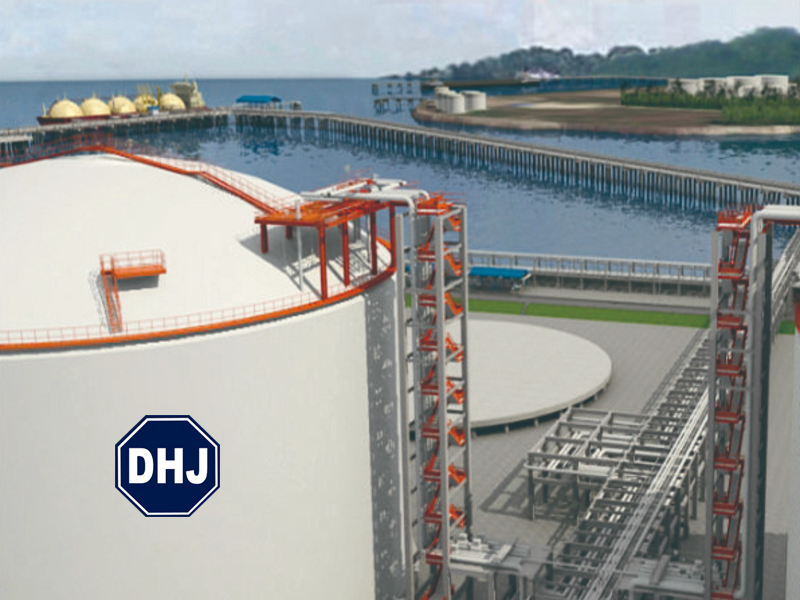
In the modern industrial world, oil storage is a crucial aspect, both for energy needs and as an industrial raw material. One of the most widely used solutions is the steel oil tank—an oil storage tank made from strong and durable steel materials. Beyond its strength, steel oil tanks also play a significant role in environmental preservation. How do steel oil tanks contribute to environmental protection? This article explores how steel oil tanks support a safer and more sustainable oil storage system.
What Is a Steel Oil Tank?
A steel oil tank is a storage tank made from high-quality steel, designed to store large volumes of oil. Steel’s strength and durability make it an ideal material for storing liquid fuels such as oil and gas. While its function is vital in the energy industry, sustainability and environmental impact have become key considerations in the modern design and production of steel oil tanks.
1. Preventing Leaks and Environmental Pollution
One of the greatest risks in oil storage is leakage, which can lead to soil and water contamination. Oil leaks can severely damage ecosystems and threaten marine life. Fortunately, steel oil tanks are engineered with advanced technology that provides high resistance to damage. The steel used is often coated with anti-corrosion protective layers, ensuring long-term structural integrity.
As a result, the risk of leakage is significantly reduced, minimizing environmental impact. The robust design of steel oil tanks also enhances resistance to natural disasters such as earthquakes or storms that could otherwise damage storage infrastructure. This makes steel oil tanks a safer and more environmentally friendly solution for oil storage.
2. Reducing Carbon Footprint with Advanced Technology
Along with technological advancements, modern steel oil tanks are now equipped with environmentally friendly features. One example is improved thermal insulation, which helps reduce greenhouse gas emissions. By minimizing excessive heating and energy consumption during oil storage, steel oil tanks contribute to lowering the overall carbon footprint.
In addition, many manufacturers now use recycled steel in the production process. Recycled steel reduces dependence on raw materials and lowers energy consumption during manufacturing. This reflects the application of circular economy principles in the oil storage industry, which are increasingly important for environmental sustainability.
3. Leak Monitoring Technology for Environmental Safety
Some steel oil tanks are equipped with automatic leak detection systems that can identify leaks at an early stage. These systems monitor leakage levels and provide alerts to operators when issues arise. With advanced technologies such as leak detection sensors and automated filling systems, leaks can be addressed immediately before causing greater environmental damage.
This monitoring also helps prevent oil loss and waste, further reducing negative environmental impacts. Improved safety in oil storage management means lower risks to surrounding ecosystems.
4. Improved Waste Management
In addition to preventing leaks, certain steel oil tanks are designed with systems that manage waste generated during the storage process. For example, oil-water separation technology helps reduce liquid waste contamination, which is a common issue in oil storage operations. This technology separates oil from other contaminants, enabling more efficient and environmentally responsible waste treatment.
Proper waste management allows used oil to be recycled or disposed of safely, ensuring that oil storage is not only efficient but also environmentally accountable.
5. Strength and Long-Term Sustainability
Steel is well known for its resistance to extreme weather conditions and physical impacts. Properly designed steel oil tanks can last for decades without significant damage, reducing the need for frequent replacements or repairs that consume additional resources.
This long lifespan lowers maintenance and replacement costs and reduces material usage. As a result, steel oil tanks help conserve resources and minimize environmental impact, making them a sustainable long-term solution.
6. Supporting the Use of Renewable Energy
In recent years, efforts have been made to integrate steel oil tanks with renewable energy storage technologies. For instance, these tanks can be used to store fuels derived from renewable sources such as biofuels. This enables more environmentally friendly energy storage and supports the transition toward cleaner and more sustainable energy systems.
Conclusion
Steel oil tanks are not only an efficient and safe solution for oil storage but also play a vital role in environmental sustainability. With environmentally conscious designs, high resistance to leaks, advanced monitoring systems, and improved waste management, steel oil tanks represent a responsible choice for modern industries. From steel to sustainability, these oil storage tanks help balance energy demands with environmental protection.
Head Office
Jakarta Industrial Estate Pulogadung (JIEP)
Jl. Rawa Gelam 3, Blok. M No. 6, Jatinegara, Cakung, East Jakarta - 13930
Telp : +6221 – 460 1088
Fax : +6221 – 4682 3636
Email : info@dutahitajaya.co.id
© 2026. All rights reserved.
Fabrication Plants
Plant Tambun
Jl. Kampung Bulu No.29, Setiamekar, Tambun Selatan, Kab. Bekasi
West Java - 17510
Plant Setu
Jl. Raya Setu No. 09, Telajung, Cikarang Barat, Kab. Bekasi
Plant Cileungsi
Jl. Raya Narogong KM 24.5, Klapanunggal, Cileungsi, Kab. Bogor
West Java - 16820
Plant Cikarang
Jababeka II Industrial Plant, Jl. Industri selatan VIII, Block EE-7H, Pasirsari, Cikarang Selatan, Kab. Bekasi
West Java - 17534
Galvanize Plant
Our Instagram
West Java - 17530