


The Positive Impact of BTS Towers on the Digital Economy
BTS Towers
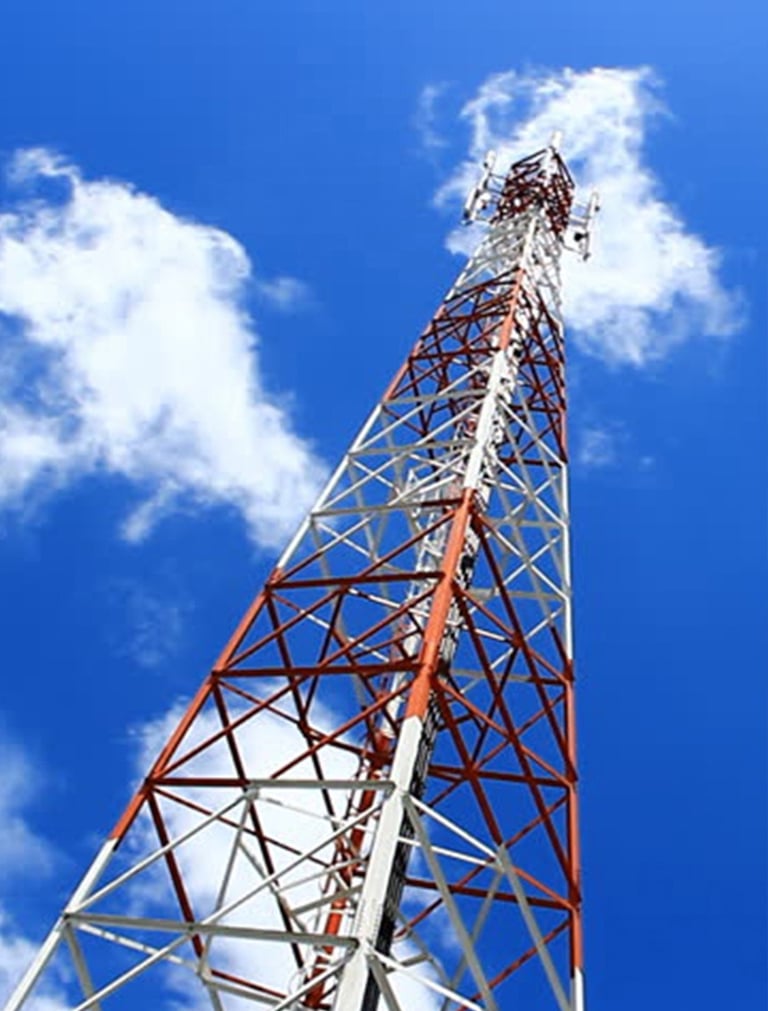
The growth of Indonesia's digital economy cannot be separated from the role of telecommunications infrastructure, especially BTS (Base Transceiver Station) towers. These towers act as the backbone of cellular networks, allowing people to access fast and stable internet. Without this infrastructure, digital transformation across various sectors simply wouldn't run smoothly.
What is a BTS Tower and Why is it Important?
A BTS tower is a structure designed to hold cellular signal transmitters and receivers. BTS stands for Base Transceiver Station, which is essentially the system that connects user devices (like smartphones, modems, etc.) to a mobile operator's network.
Read Also: LED Technology in VMS: Energy Efficiency and Durability
The more BTS towers are built, the wider and stronger the internet coverage in an area becomes. This is crucial for supporting 4G and 5G networks, which serve as the foundation of today's modern digital economy.
Here are the key positive impacts of BTS towers:
Providing Equal and Widespread Internet Access
Boosting the Growth of MSMEs (Small Businesses) and E-Commerce
Supporting Smart City Implementation
Creating New Job Opportunities
Increasing Investment in the Telecommunications Sector
Supporting the Transition to 5G Networks
Improving the Quality of Digital Education and Healthcare Services
Conclusion
BTS towers play a strategic role in driving the development of the digital economy in Indonesia. This infrastructure provides stable internet connectivity, accelerates the growth of small businesses, supports smart cities, and opens up new investment and employment opportunities.
With the widespread construction of high-standard BTS towers, Indonesia can speed up its digital transformation while boosting its competitiveness on the global stage.
Head Office
Jakarta Industrial Estate Pulogadung (JIEP)
Jl. Rawa Gelam 3, Blok. M No. 6, Jatinegara, Cakung, East Jakarta - 13930
Telp : +6221 – 460 1088
Fax : +6221 – 4682 3636
Email : info@dutahitajaya.co.id
© 2026. All rights reserved.
Fabrication Plants
Plant Tambun
Jl. Kampung Bulu No.29, Setiamekar, Tambun Selatan, Kab. Bekasi
West Java - 17510
Plant Setu
Jl. Raya Setu No. 09, Telajung, Cikarang Barat, Kab. Bekasi
Plant Cileungsi
Jl. Raya Narogong KM 24.5, Klapanunggal, Cileungsi, Kab. Bogor
West Java - 16820
Plant Cikarang
Jababeka II Industrial Plant, Jl. Industri selatan VIII, Block EE-7H, Pasirsari, Cikarang Selatan, Kab. Bekasi
West Java - 17534
Galvanize Plant
Our Instagram
West Java - 17530