


Steel Substations, An Effective Solution for Sustainable Power Infrastructure
Substation
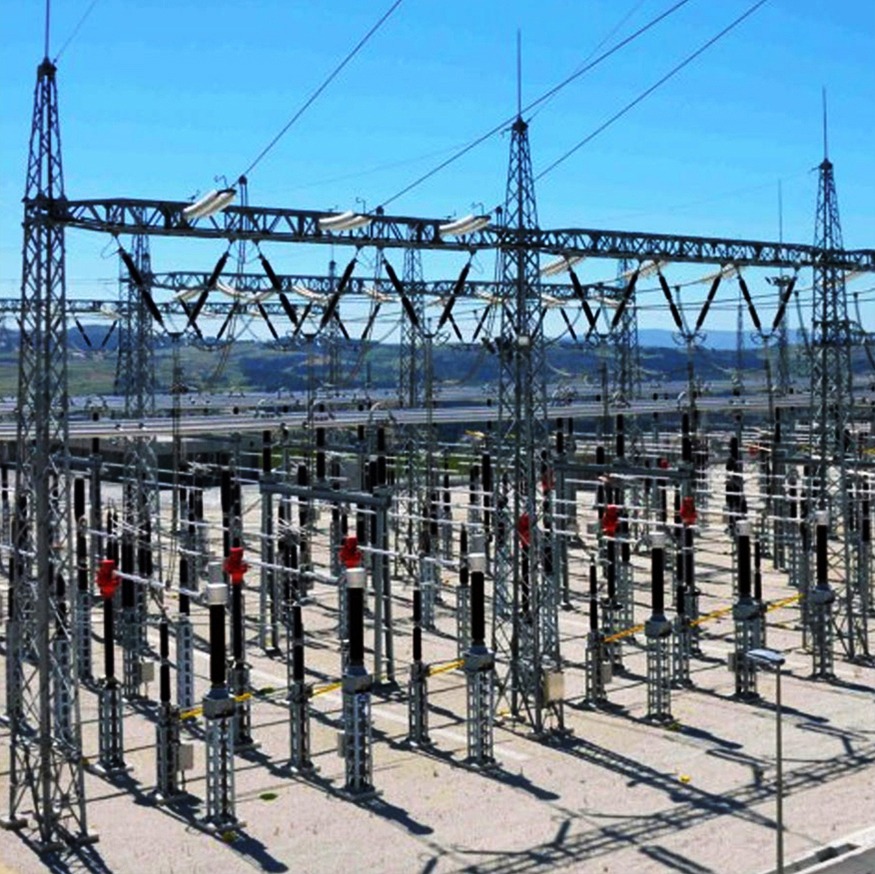
As the demand for energy grows alongside the push for sustainable development, electrical infrastructure must become more efficient, resilient, and environmentally friendly. A vital component of this system is the substation. Today, steel substations are increasingly becoming the top choice to meet these modern challenges.
A steel substation uses steel as its primary structural material for frames, poles, and equipment supports. These facilities act as "hubs" for managing, transforming, and distributing electricity from high-voltage transmission lines to the local distribution networks that power our homes and businesses.
Steel is chosen for its high durability, design flexibility, and its ability to safely support high-voltage equipment.
The Role of Substations in the Power Grid
In simple terms, a substation serves several key purposes:
Voltage Regulation: Increasing or decreasing voltage levels as needed.
Power Distribution: Directing electricity to wider networks.
System Protection: Shielding the grid from faults like short circuits or overloads.
Reliability: Ensuring the power supply remains stable and dependable.
By using a robust steel structure, these substations can operate more reliably over the long term.
Key Advantages of Steel Substations
1. Superior Strength and Durability Steel is famous for its mechanical strength. it can withstand heavy loads, vibrations, and extreme weather conditions, making the substation safer and more reliable.
2. Longer Lifespan Thanks to anti-corrosion treatments like galvanization, steel substations are highly resistant to rust. This ensures they last much longer than those built with conventional materials.
3. Construction Efficiency Steel components can be prefabricated and assembled quickly on-site. This speeds up construction time and keeps project costs efficient.
4. Flexible and Future-Proof Steel designs are adaptable. This makes it much easier to upgrade or expand the substation if electricity demand increases in the future.
5. Supporting Sustainable Infrastructure Steel is a recyclable material. Choosing steel supports eco-friendly construction goals and reduces the environmental footprint of the project.
Why Steel Substations Matter for a Green Future
Sustainability isn't just a buzzword; it’s a necessity. Steel substations contribute to a greener future by:
Reducing the need for long-term maintenance.
Minimizing the need to replace damaged structures.
Supporting energy efficiency through a stable system.
Reducing construction waste because the material can be reused.
This makes steel substations the ideal solution for modern power projects, whether in bustling cities or heavy industrial zones.
Conclusion
With its blend of strength, efficiency, and sustainability, the steel substation is a strategic choice for securing a reliable power supply for years to come.
Head Office
Jakarta Industrial Estate Pulogadung (JIEP)
Jl. Rawa Gelam 3, Blok. M No. 6, Jatinegara, Cakung, East Jakarta - 13930
Telp : +6221 – 460 1088
Fax : +6221 – 4682 3636
Email : info@dutahitajaya.co.id
© 2026. All rights reserved.
Fabrication Plants
Plant Tambun
Jl. Kampung Bulu No.29, Setiamekar, Tambun Selatan, Kab. Bekasi
West Java - 17510
Plant Setu
Jl. Raya Setu No. 09, Telajung, Cikarang Barat, Kab. Bekasi
Plant Cileungsi
Jl. Raya Narogong KM 24.5, Klapanunggal, Cileungsi, Kab. Bogor
West Java - 16820
Plant Cikarang
Jababeka II Industrial Plant, Jl. Industri selatan VIII, Block EE-7H, Pasirsari, Cikarang Selatan, Kab. Bekasi
West Java - 17534
Galvanize Plant
Our Instagram
West Java - 17530