

Steel Skybridges: An Environmentally Friendly Solution for Future Infrastructure
Skybridges
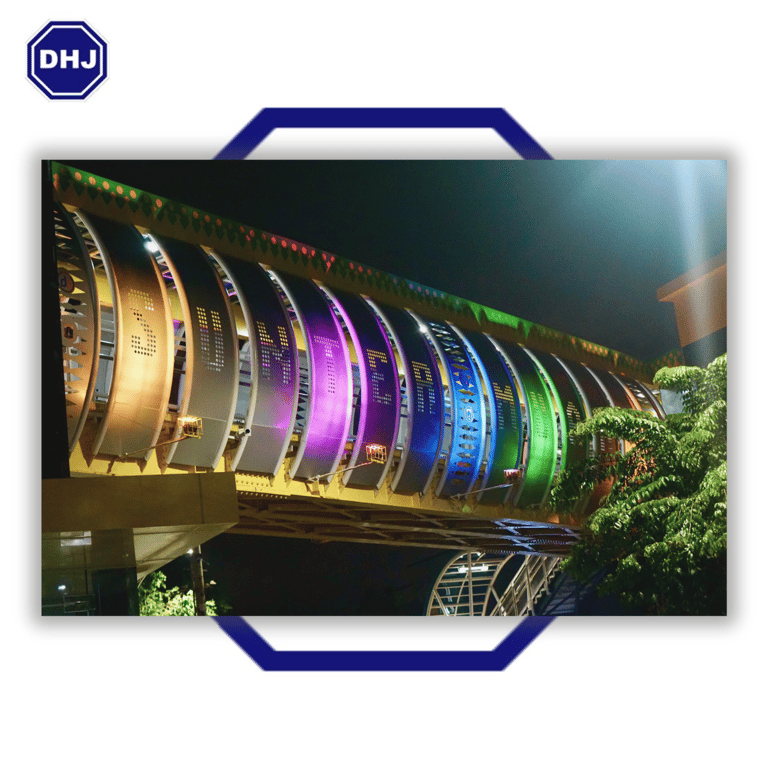
Skybridges have become a key element of modern urban infrastructure, increasingly implemented in city centers. Beyond serving as connections between buildings, skybridges are now recognized as an important part of efforts to create cities that are more efficient, safe, and environmentally friendly. One of the main factors supporting the sustainability of skybridges is the choice of material—and steel has emerged as the most ideal material for the future.
Steel: A Sustainable Material with an Extremely Long Service Life Steel is known as a material that can be recycled 100% without losing its strength. This means steel skybridges directly contribute to reducing construction waste and the need for new raw materials. Their long service life also reduces the need for major renovations in the short to medium term. With corrosion-resistant properties (after proper coating) and high load-bearing capacity, steel can maintain its performance for decades into the future, making it the right choice for sustainable infrastructure.
More Efficient and Energy-Saving Construction Process Steel skybridges can be prefabricated in a workshop, making on-site installation much faster and causing minimal disruption. This efficiency brings numerous environmental benefits, including:
Reduced use of heavy machinery
Lower emissions during construction
Minimal waste generated at the project site
Shorter construction time, reducing noise pollution and disturbance to surrounding areas
The speed of installation is especially advantageous in dense urban areas such as shopping malls, office districts, transportation terminals, or airports.
Reducing Dependence on Vehicles and Carbon Emissions Skybridges enable safer and easier pedestrian mobility without having to compete with vehicular traffic. This infrastructure encourages people to walk more, resulting in:
Reduced use of private vehicles
Less traffic congestion
Lower carbon emissions from motor vehicles
As more skybridges are built, the city’s overall transportation ecosystem becomes more environmentally friendly while improving public comfort and convenience.
Combination of Steel and Modern Energy-Efficient Design Steel is highly flexible for various architectural styles. Architects can design skybridges that incorporate:
Energy-efficient LED lighting
Solar panels as supplementary power sources
Low-E glass to reduce heat gain
Natural ventilation systems to minimize air conditioning use
The flexibility of steel structures makes it easier to realize these design concepts compared to other materials such as concrete.
Ready to Support the Infrastructure of Future Cities Future cities demand infrastructure that is not only strong and safe, but also sustainable. Steel skybridges meet all these criteria: lightweight, efficient, durable, easy to maintain, and environmentally beneficial. Moreover, steel is highly compatible with smart city concepts, such as:
Vibration and load monitoring sensors
Integrated digital security systems
Automated corrosion monitoring
Motion-activated lighting
These technologies further extend the lifespan and reduce operational costs.
Conclusion
Steel skybridges represent an infrastructure solution that combines sustainability, efficiency, and modern aesthetics. With high recyclability, faster construction processes, and tangible contributions to reducing emissions and congestion, steel skybridges are the ideal choice for cities aiming to develop in an environmentally responsible manner. In the long term, using steel not only saves costs but also supports the creation of greener, safer, and better-integrated cities.