


Steam Power Plants (PLTU): Advantages and Disadvantages as a Source of Electrical Energy
PLTU

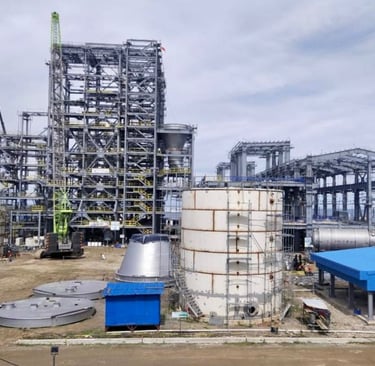
A Steam Power Plant (PLTU) is one of the most widely used types of power generation systems for producing electricity on a large scale. This system operates by utilizing high-pressure steam generated from heating water using thermal energy produced by fuel combustion, typically coal.
The resulting steam is then used to drive a turbine connected to a generator, thereby producing electrical energy. Due to its ability to generate large amounts of electricity consistently, PLTU serves as a backbone of power systems in many countries, including Indonesia.
However, despite its significant role, the use of PLTU as a source of electrical energy comes with both advantages and disadvantages that need to be carefully considered.
Advantages of PLTU as a Power Source
1. High Power Generation Capacity
One of the main advantages of PLTU is its ability to generate electricity on a large scale. A single unit can produce hundreds to even thousands of megawatts, making it capable of meeting widespread electricity demands.
2. Stable Energy Supply
PLTU is known as a base-load power plant, meaning it can operate continuously to provide a stable and reliable electricity supply. This is essential for maintaining grid stability.
3. Mature and Proven Technology
PLTU technology has been in use for decades and continues to evolve. Its operational systems are well understood, making management and operation relatively more stable compared to some newer power generation technologies.
4. Competitive Production Costs
The primary fuel used in PLTU, especially coal, is relatively abundant and cost-competitive compared to some other energy sources. This results in relatively economical electricity production costs.
Read More : Standar Keamanan dalam Pembangunan Jaringan Transmisi Listrik
Disadvantages of PLTU as a Power Source
1. Greenhouse Gas Emissions
A major drawback of PLTU is the emission of carbon dioxide (CO₂) resulting from fossil fuel combustion. These emissions contribute to climate change and global warming.
2. Environmental Impact
In addition to gas emissions, PLTU produces waste such as fly ash and bottom ash. If not properly managed, these byproducts can have negative environmental impacts.
3. Dependence on Fossil Fuels
Most PLTUs rely on coal as their primary fuel source. This dependence on fossil fuels ties the system to non-renewable resources.
4. Large Infrastructure Requirements
The construction of a PLTU requires significant investment and complex infrastructure, including combustion facilities, turbine systems, cooling systems, and fuel handling units.
Conclusion
PLTU plays a crucial role in meeting large-scale electricity demands. Its primary strengths lie in its ability to generate stable and high-capacity power at relatively competitive costs.
However, it also presents several challenges, particularly in terms of environmental impact and reliance on fossil fuels. Therefore, the development of more efficient and environmentally friendly technologies is essential to enhance the sustainability of PLTU in the future.
Head Office
Jakarta Industrial Estate Pulogadung (JIEP)
Jl. Rawa Gelam 3, Blok. M No. 6, Jatinegara, Cakung, East Jakarta - 13930
Telp : +6221 – 460 1088
Fax : +6221 – 4682 3636
Email : info@dutahitajaya.co.id
© 2026. All rights reserved.
Fabrication Plants
Plant Tambun
Jl. Kampung Bulu No.29, Setiamekar, Tambun Selatan, Kab. Bekasi
West Java - 17510
Plant Setu
Jl. Raya Setu No. 09, Telajung, Cikarang Barat, Kab. Bekasi
Plant Cileungsi
Jl. Raya Narogong KM 24.5, Klapanunggal, Cileungsi, Kab. Bogor
West Java - 16820
Plant Cikarang
Jababeka II Industrial Plant, Jl. Industri selatan VIII, Block EE-7H, Pasirsari, Cikarang Selatan, Kab. Bekasi
West Java - 17534
Galvanize Plant
Our Instagram
West Java - 17530