


How Electrical Power Transmission Works and the Challenges It Faces
Electric Transmission
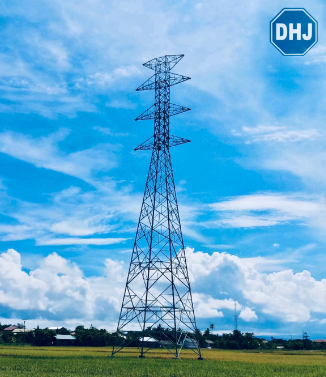
Electric Power Transmission Network
The power transmission network functions to deliver electricity from power plants to substations before it is distributed to consumers. This system uses high voltage (70 kV–500 kV) so that electricity can be transmitted over long distances with minimal power loss.
In Indonesia, the transmission system is managed by PT PLN (Persero) as part of the national interconnected grid.
How It Works (Brief Overview)
Electricity is generated at the power plant.
The voltage is increased (step-up) to make long-distance transmission more efficient.
Electricity flows through SUTT/SUTET transmission lines using transmission towers.
Protection systems safeguard the network from disturbances.
The voltage is reduced at substations before entering the distribution network.
In modern Smart Grid–based systems, monitoring is carried out digitally and in real time to improve reliability.
Read More : Understanding Gantry Cranes and Their Lifting Power in Heavy Industry
Challenges Faced
Weather disturbances and natural factors
Growing electricity demand
Integration of renewable energy
Infrastructure development costs
Cybersecurity risks
Conclusion
The electricity transmission network is the backbone of the power system because it ensures that energy can be delivered efficiently, stably, and safely across regions.
Head Office
Jakarta Industrial Estate Pulogadung (JIEP)
Jl. Rawa Gelam 3, Blok. M No. 6, Jatinegara, Cakung, East Jakarta - 13930
Telp : +6221 – 460 1088
Fax : +6221 – 4682 3636
Email : info@dutahitajaya.co.id
© 2026. All rights reserved.
Fabrication Plants
Plant Tambun
Jl. Kampung Bulu No.29, Setiamekar, Tambun Selatan, Kab. Bekasi
West Java - 17510
Plant Setu
Jl. Raya Setu No. 09, Telajung, Cikarang Barat, Kab. Bekasi
Plant Cileungsi
Jl. Raya Narogong KM 24.5, Klapanunggal, Cileungsi, Kab. Bogor
West Java - 16820
Plant Cikarang
Jababeka II Industrial Plant, Jl. Industri selatan VIII, Block EE-7H, Pasirsari, Cikarang Selatan, Kab. Bekasi
West Java - 17534
Galvanize Plant
Our Instagram
West Java - 17530