


Earthquake-Resistant Building Materials: A Guide to Safer Construction
Building Construction
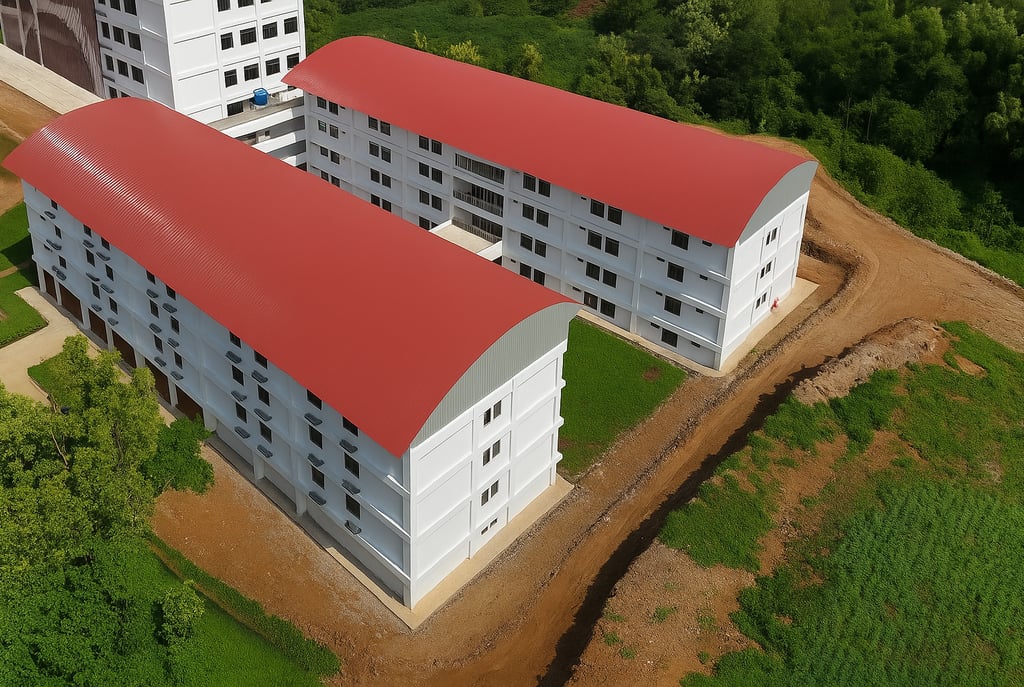
Indonesia is one of the countries located along the Ring of Fire, making it highly vulnerable to earthquakes. This geological condition highlights the importance of prioritizing safety in every construction project, including the selection of earthquake-resistant building materials.
Buildings that are well-designed and constructed using high-quality materials have a greater ability to minimize structural damage during an earthquake. In addition to proper structural design, choosing the right construction materials is a key factor in creating buildings that are strong, safe, and durable over the long term.
Why Is Choosing Earthquake-Resistant Materials Important?
Construction materials play a significant role in determining how well a building can withstand the forces generated by an earthquake. Materials with high strength, good flexibility, and compliance with construction standards help maintain structural stability when subjected to dynamic loads.
Therefore, material selection should not be based solely on cost. Quality, durability, and suitability for the specific project are equally important considerations.
Types of Earthquake-Resistant Building Materials
1. Structural Steel
Structural steel is widely regarded as one of the best materials for earthquake-resistant buildings. It combines exceptional strength with ductility, allowing it to absorb seismic energy without failing suddenly.
Additionally, steel structures are generally lighter than many conventional construction systems, reducing the overall load transferred to the foundation.
Advantages of Structural Steel:
High load-bearing capacity
Excellent ductility and flexibility
Faster installation process
Suitable for high-rise buildings, warehouses, and industrial facilities
2. Reinforced Concrete
Reinforced concrete combines concrete with steel reinforcement, making it one of the most commonly used materials in earthquake-resistant construction. Concrete provides excellent compressive strength, while the embedded steel reinforcement resists tensile forces, resulting in a stronger and more resilient structure.
This material is widely used for foundations, columns, beams, and floor slabs.
3. Galvanized Steel
For buildings located in humid environments or exposed outdoor areas, galvanized steel is an excellent choice. Its zinc coating protects the steel from corrosion, helping maintain structural integrity over an extended service life.
In addition to its corrosion resistance, galvanized steel retains the strength and flexibility required for structural applications.
Related Article: The Role of Galvanized Steel in Toll Road Infrastructure: A Durable Material for Road Safety
4. Autoclaved Aerated Concrete (AAC) Blocks
AAC blocks are significantly lighter than conventional clay bricks. Using lightweight materials helps reduce the overall weight of a building, which in turn decreases the seismic forces acting on the structure during an earthquake.
AAC blocks are also manufactured with precise dimensions, allowing for faster, more efficient installation and improved construction accuracy.
5. High-Quality Timber
Timber is a lightweight material with excellent flexibility, making it suitable for certain types of buildings, particularly residential homes. It is commonly used as both a structural and architectural element.
However, selecting high-quality timber is essential. Proper treatment against termites and protection from moisture are necessary to ensure long-term durability.
Additional Factors That Improve Earthquake Resistance
Using appropriate materials alone is not enough to ensure a building can withstand earthquakes. Several other factors also contribute to structural resilience, including:
Structural designs that comply with applicable engineering standards
Foundations designed according to site-specific soil conditions
Strong and properly engineered structural connections
The use of certified, high-quality construction materials
Construction carried out by qualified professionals
Strict quality control throughout the construction process
A combination of quality materials and proper engineering practices results in buildings that are safer and more reliable.
Tips for Choosing Earthquake-Resistant Construction Materials
To achieve the best construction outcomes, consider the following recommendations:
Use materials that comply with national and international standards.
Select high-quality structural steel and reinforced concrete for primary structural elements.
Purchase materials from reputable manufacturers or trusted suppliers.
Choose materials based on the building's intended function and environmental conditions.
Consult qualified structural engineers before beginning construction.
Conclusion
Selecting earthquake-resistant construction materials is a crucial step in developing buildings that are safe, durable, and capable of withstanding seismic activity. Materials such as structural steel, reinforced concrete, galvanized steel, and AAC blocks are widely used because they offer excellent strength, flexibility, and long-term performance.
However, it is important to understand that earthquake-resistant buildings depend on more than just material selection. Proper structural design, high-quality workmanship, and continuous quality supervision throughout the construction process are equally essential. By following established engineering standards and best construction practices, developers can create structures that are safer, more efficient, and built to last.
Head Office
Jakarta Industrial Estate Pulogadung (JIEP)
Jl. Rawa Gelam 3, Blok. M No. 6, Jatinegara, Cakung, East Jakarta - 13930
Telp : +6221 – 460 1088
Fax : +6221 – 4682 3636
Email : info@dutahitajaya.co.id
© 2026. All rights reserved.
Fabrication Plants
Plant Tambun
Jl. Kampung Bulu No.29, Setiamekar, Tambun Selatan, Kab. Bekasi
West Java - 17510
Plant Setu
Jl. Raya Setu No. 09, Telajung, Cikarang Barat, Kab. Bekasi
Plant Cileungsi
Jl. Raya Narogong KM 24.5, Klapanunggal, Cileungsi, Kab. Bogor
West Java - 16820
Plant Cikarang
Jababeka II Industrial Plant, Jl. Industri selatan VIII, Block EE-7H, Pasirsari, Cikarang Selatan, Kab. Bekasi
West Java - 17534
Galvanize Plant
Our Instagram
West Java - 17530