


Design and Safety Standards of Steel Electricity Towers in Transmission Networks
Tower Listrik
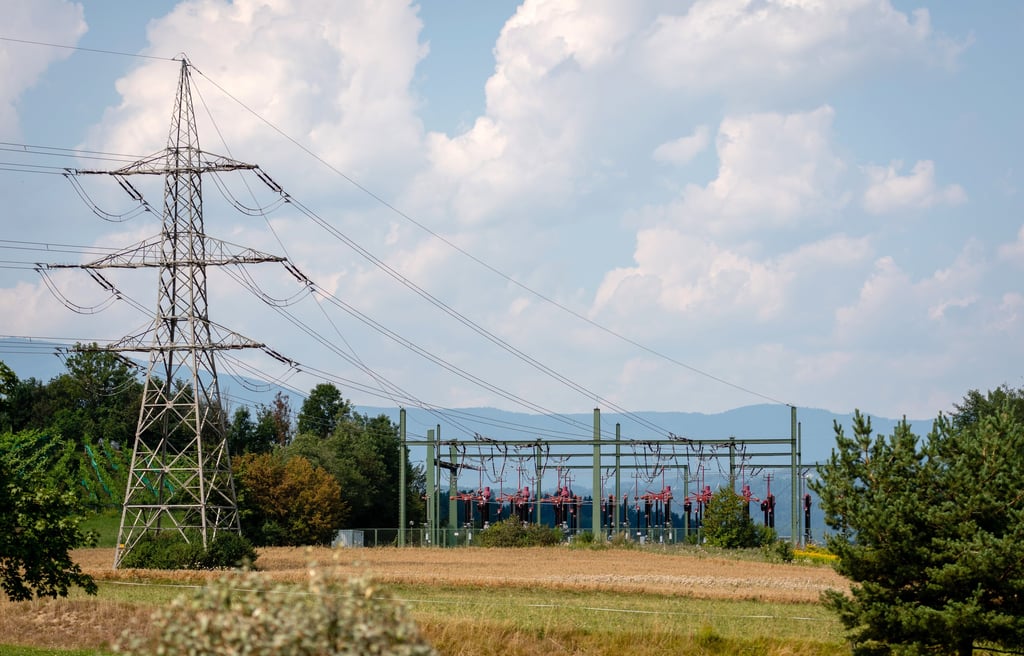
Steel electricity towers are a crucial component in power transmission systems. These structures function to support conductor cables that carry electrical energy from power plants to substations and eventually distribute it to consumers. Due to their vital role, the construction of electricity towers must follow strict design and safety standards to ensure they operate safely and have a long service life.
In various countries, including Indonesia, the development of power transmission infrastructure is carried out by institutions such as the State Electricity Company, referring to international engineering and safety standards. These standards ensure that steel electricity towers can withstand various environmental loads and maintain the stability of the transmission network.
The Importance of Design Standards for Steel Electricity Towers
Design standards are essential to ensure that electricity towers can safely support transmission cables. Without proper design, towers are at risk of structural failure, which can disrupt the distribution of electrical energy.
Several aspects considered in the design standards of electricity towers include:
Tower height
Distance between towers
Structural load capacity
Resistance to wind and extreme weather
Foundation stability
In systems such as High Voltage Overhead Lines, tower design must be able to withstand cable tensile forces and maintain the position of conductors at a safe distance from the ground.
Steel Materials Used
Material is a key factor in the strength of electricity towers. The steel used in transmission towers generally meets specific technical specifications that comply with construction standards.
Most electricity towers use galvanized steel due to several advantages, such as:
High tensile strength
Resistance to corrosion
Long service life
Relatively easy maintenance
The galvanized coating protects the steel from rust caused by exposure to rain, humidity, and air pollution. With this protection, electricity towers can endure extreme environmental conditions.
Read More : Fabrication and Installation Process of Piperacks in Industrial Projects
Stable Structural Design
Steel electricity towers generally use a lattice structure design. This design allows for more even distribution of loads throughout the structure.
The advantages of this design include:
Lighter structure while maintaining strength
Ability to withstand strong wind pressure
Reduced risk of localized structural failure
Additionally, tower design must consider safety factors related to vibrations caused by temperature changes or wind pressure.
Safety Standards in Installation
In addition to structural design, the installation process of electricity towers must also follow strict safety standards. The installation is carried out in stages while ensuring the stability of each part of the tower.
Important steps in the installation process include:
Assembling tower components on site
Tightening bolts and connections according to standards
Installing insulators and conductors
Testing structural strength
These procedures are conducted to ensure that the tower operates safely before the transmission network is put into use.
Conclusion
Steel electricity towers are a vital part of energy transmission systems. To function optimally, their construction must adhere to strict design and safety standards. Factors such as material quality, structural design, foundation strength, and installation procedures all play an important role in ensuring that towers can reliably support electrical transmission networks.
Head Office
Jakarta Industrial Estate Pulogadung (JIEP)
Jl. Rawa Gelam 3, Blok. M No. 6, Jatinegara, Cakung, East Jakarta - 13930
Telp : +6221 – 460 1088
Fax : +6221 – 4682 3636
Email : info@dutahitajaya.co.id
© 2026. All rights reserved.
Fabrication Plants
Plant Tambun
Jl. Kampung Bulu No.29, Setiamekar, Tambun Selatan, Kab. Bekasi
West Java - 17510
Plant Setu
Jl. Raya Setu No. 09, Telajung, Cikarang Barat, Kab. Bekasi
Plant Cileungsi
Jl. Raya Narogong KM 24.5, Klapanunggal, Cileungsi, Kab. Bogor
West Java - 16820
Plant Cikarang
Jababeka II Industrial Plant, Jl. Industri selatan VIII, Block EE-7H, Pasirsari, Cikarang Selatan, Kab. Bekasi
West Java - 17534
Galvanize Plant
Our Instagram
West Java - 17530